
 English
 Faculty News
The High Institute of Public Health Holds Awareness Seminar on World Hepatitis Day
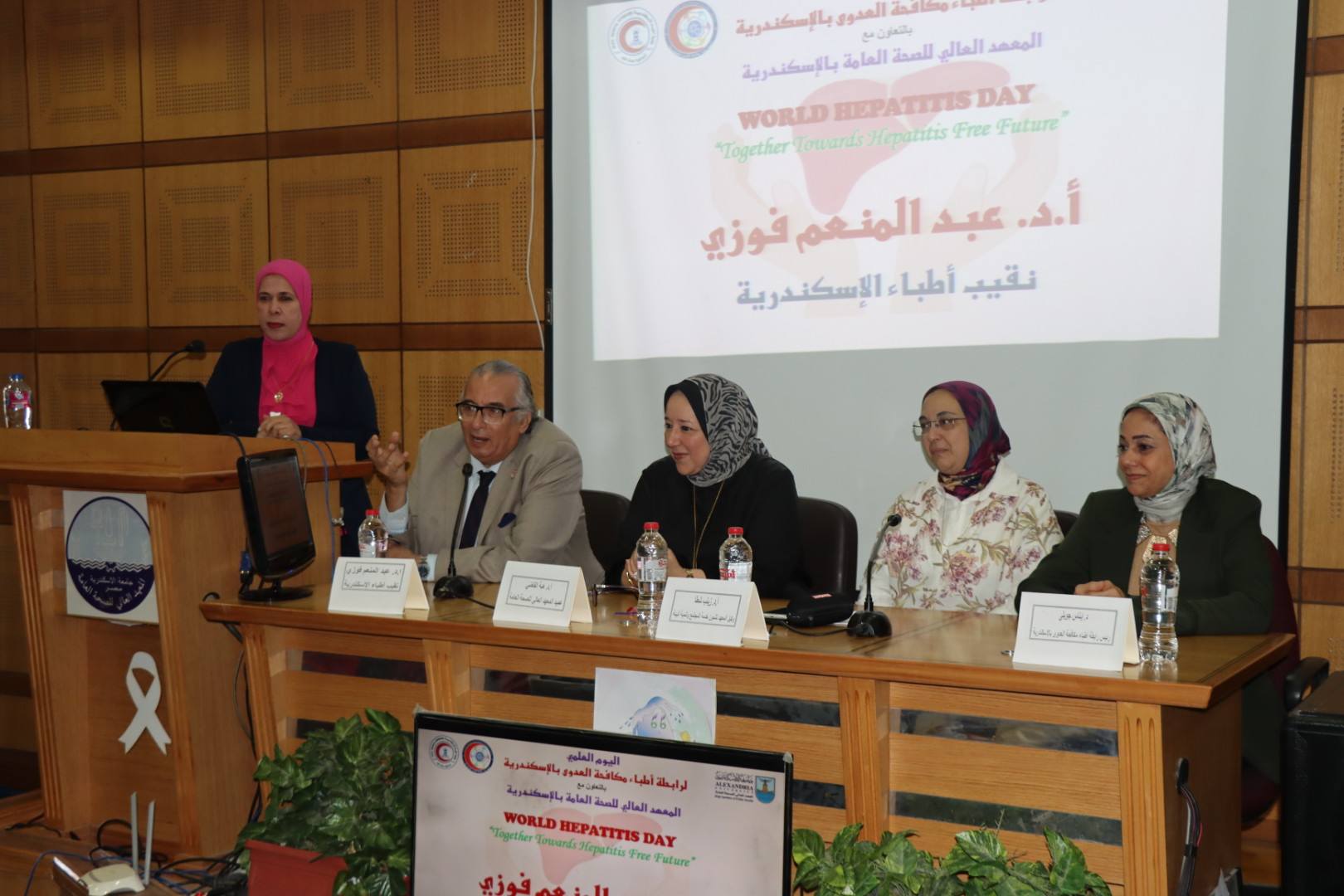
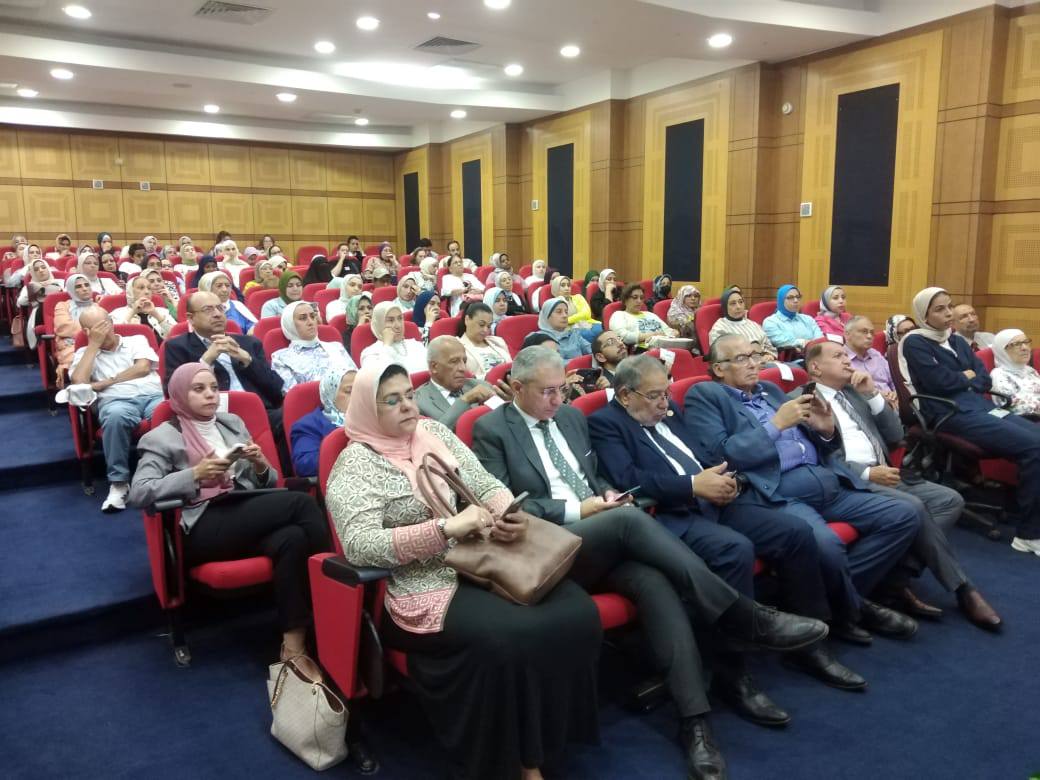
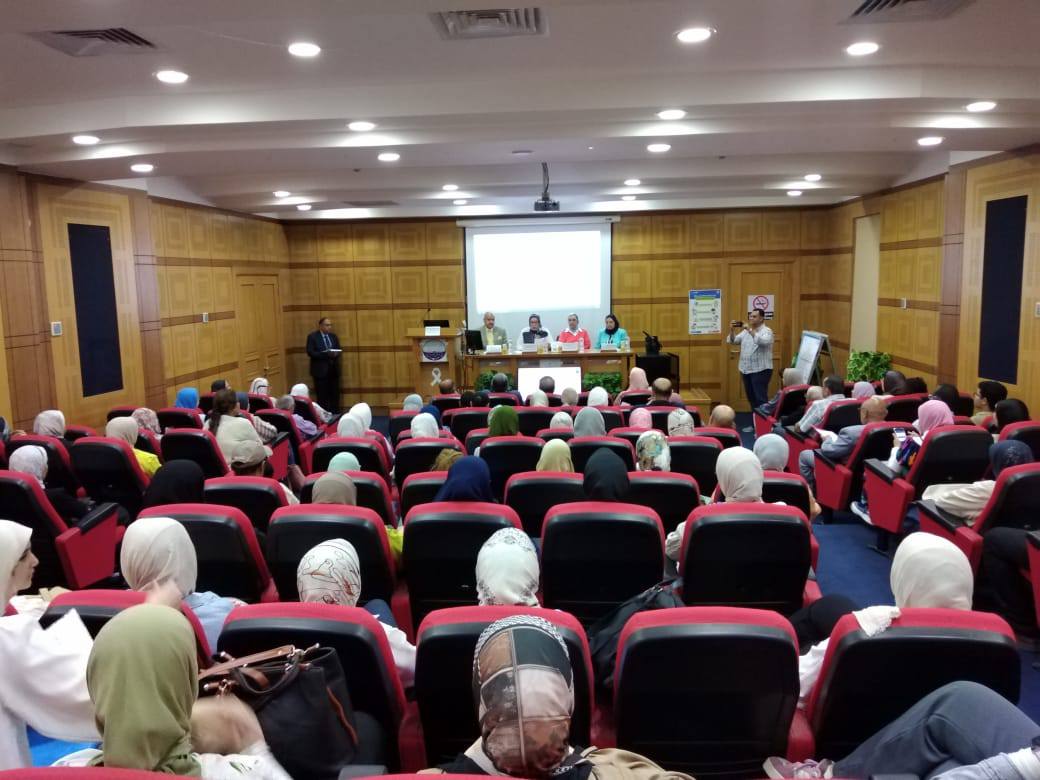
As part of Alexandria University’s ongoing efforts to promote public health awareness, and under the patronage of Professor Dr. Abdelaziz Konsowa, President of Alexandria University, the High Institute of Public Health, in collaboration with the Association of Infection Control Physicians in Alexandria, organized an awareness seminar to mark World Hepatitis Day under the slogan “Together Towards a Future Free from Hepatitis.” The seminar was held at the Institute's premises.
The event was attended by Professor Dr. Heba El-Kady, Dean of the High Institute of Public Health; Professor Dr. Zeinab Shatta, Vice Dean for Community Service and Environmental Development; Professor Dr. Abdel Moneim Fawzy, President of the Alexandria Doctors' Syndicate; and Dr. Enas Goweily, Head of the Infection Control Physicians Association in Alexandria.
In her opening remarks, Professor Dr. Heba El-Kady emphasized the Institute’s commitment to organizing such awareness-raising events aimed at delivering accurate, evidence-based information on the prevention and treatment of viral hepatitis. She highlighted that the World Health Organization (WHO) celebrates World Hepatitis Day annually on July 28, which coincides with the birthday of Nobel Laureate Professor Baruch Blumberg, the discoverer of the hepatitis B virus. This global occasion is an opportunity to underscore the importance of individual and institutional collaboration in adhering to infection prevention protocols. Dr. El-Kady added that the Institute seeks to strengthen cooperation with the Alexandria Doctors' Syndicate and the Infection Control Association to eradicate hepatitis completely.
Professor Dr. Zeinab Shatta shed light on the various community service programs offered by the Institute and how these programs reinforce collaboration between the Institute and the local community in tackling epidemic diseases. She emphasized the Institute's vital role in promoting health literacy among university students and the broader community.
Professor Dr. Abdel Moneim Fawzy highlighted the importance of cooperation between the High Institute of Public Health and the Doctors’ Syndicate to address public health challenges. He commended the key role of doctors in raising health awareness and the necessity of early screening, praising the positive outcomes of presidential health initiatives, particularly the “100 Million Healthy Lives” campaign.
Dr. Enas Goweily stressed the need for increased efforts in health education, especially the importance of early diagnosis and appropriate treatment of viral hepatitis. She noted the role of the Infection Control Physicians Association in Alexandria in organizing various activities to raise public awareness in the local community.
The seminar featured several lectures delivered by prominent medical professionals in Alexandria, including Dr. Iman El-Sheikhy (Consultant of Medical Microbiology and Immunology), Dr. Enas Goweily (Infection Control Consultant, Alexandria International Police Hospital), Dr. Hoda Abu Taleb (Infection Control Consultant, East City Hospital), Dr. Mai Bassiouny (Infection Control Consultant, Military Medical Complex), and Professor Dr. Nashwa Azzam (Professor of Microbiology, High Institute of Public Health). Topics discussed included:
The Battle Against Viral Hepatitis in Egypt: A Success Story and a Bright Future
From Risk to Response: Unsafe Injections and Post-Exposure Management
Sterilization and Disinfection
Dialysis and Seroconversion
Environmental Cleaning and Disinfectants
The seminar witnessed strong engagement from attendees, who shared their experiences and raised inquiries related to hepatitis, all of which were addressed by the panelists.
Faculty of Education Organizes its International Scientific Conference on Educational Talent Management for Building Future Leaders
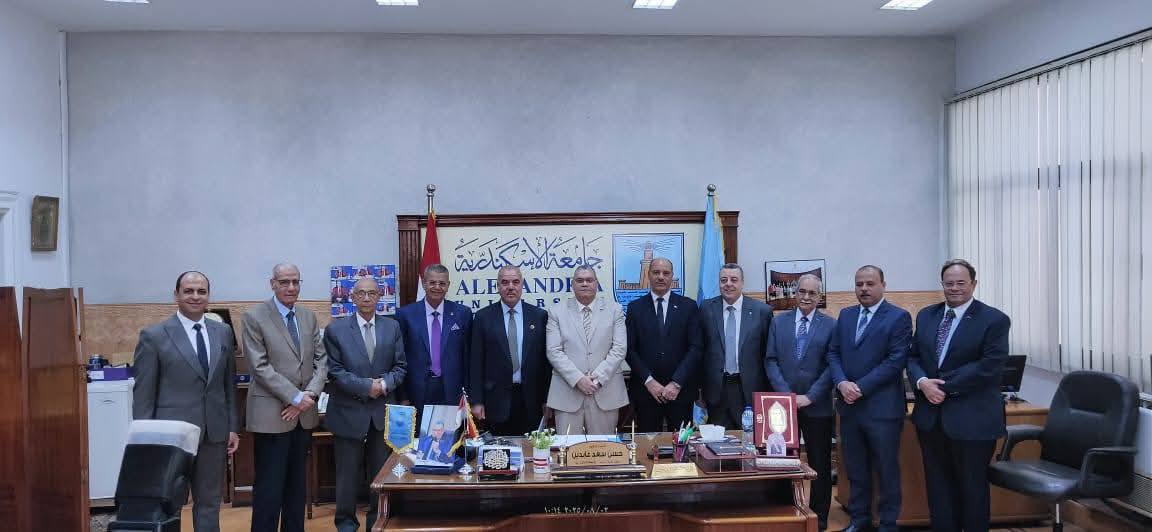
Under the auspices of Dr. Abdelaziz Konsowa, President of Alexandria University, the Department of Educational Administration and Education Policies at the Faculty of Education organized the 4th Annual International Conference titled: "Talent Management in Educational Institutions: Leadership Strategies for Building Future Cadres". The event was held in Lecture Hall (1) at the Faculty, with the participation of Dr. Hassan Saad Abdeen, Dean of the Faculty; Dr. Mohamed Khamees Harb, Head of the Department of Educational Administration and Education Policies and Conference Chair; Dr. Salem Abdel Razek Suleiman, Vice Dean for Community Service and Environmental Development; Dr. El-Sayeda Mahmoud Ibrahim, Vice Dean for Graduate Studies and Research; Dr. Araby Abu Zeid, Director of the Alexandria Directorate of Education; Dr. Ibrahim El-Gammal, Member of the Egyptian Family House and Head of the Fatwa Committee at Al-Azhar in Alexandria; and Dr. Shaker Mohamed Fathy, President of the Egyptian Society for Comparative Education and Educational Administration, along with a distinguished group of faculty members from Egypt and various Arab countries.
In his speech, Dr. Hassan Saad Abdeen welcomed all participants and emphasized the importance of the conference as a scientific platform for the exchange of expertise and visions. He highlighted the conference’s active contribution to the development of the educational system at both the local and international levels, reflecting the pioneering role of the Faculty of Education – Alexandria University – in supporting dialogue around educational issues and in developing effective strategies for talent management, in line with Egypt’s efforts to invest in young minds and build a knowledge- and innovation-based future.
Dr. Araby Abu Zeid stated that the Faculty of Education is a key partner in preparing educational leaders capable of keeping pace with technological transformations, which enhances the efficiency of the educational system and its ability to meet the challenges of the times. He stressed that conscious leadership is the key to educational success and societal advancement.
For his part, Dr. Mohamed Khamees Harb noted that the continuity of the conference for four consecutive years reflects the department’s strong belief in the value of scientific dialogue and the exchange of experiences. It also demonstrates the department's commitment to actively contributing to the development of educational thought and practice in alignment with changes in the educational landscape. He expressed his gratitude to all who contributed to organizing this outstanding academic event, including researchers, participants, session chairs, and organizing committees.
The conference included a number of scientific sessions that addressed key issues in talent management and the development of educational leadership. It featured research papers and field experiences presented by researchers and experts in education and management.
At the conclusion of the conference, a set of recommendations was announced to support educational policies and promote a culture of innovation within educational institutions.
The conference concluded with honoring the organizing committee, emphasizing the importance of joint efforts for a brighter educational future.
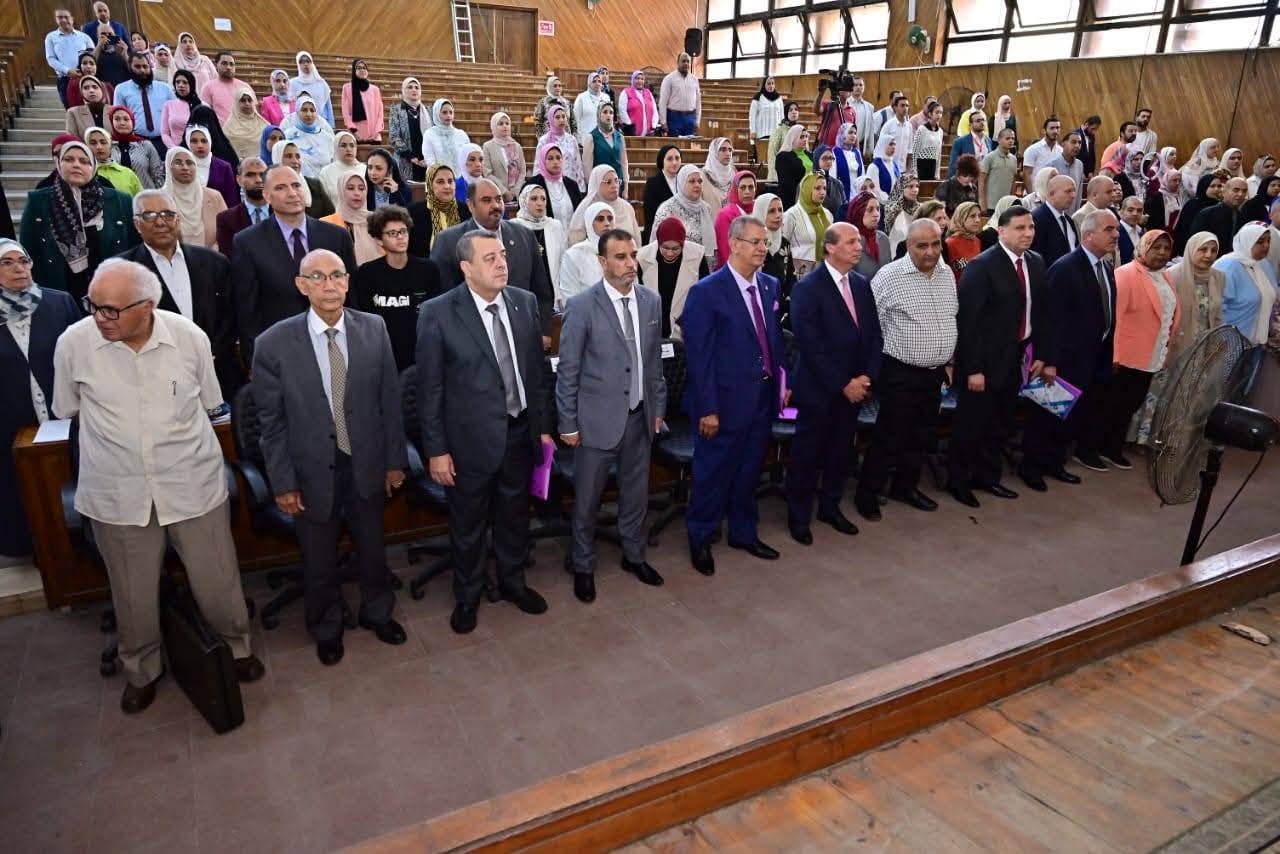
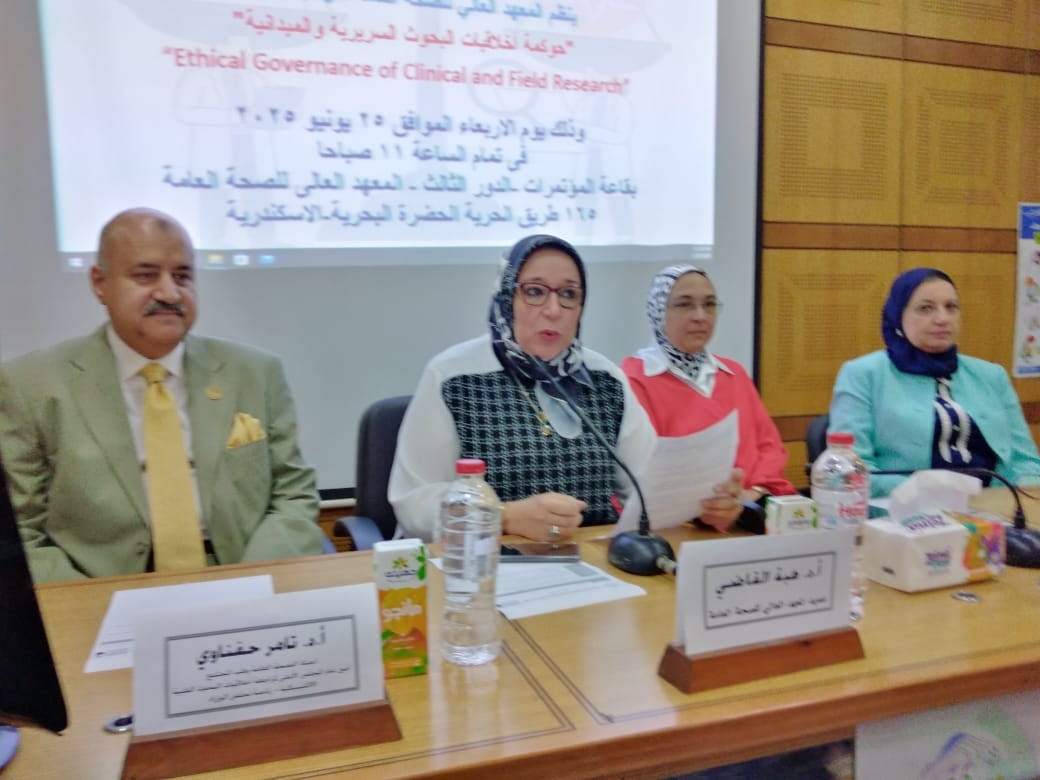
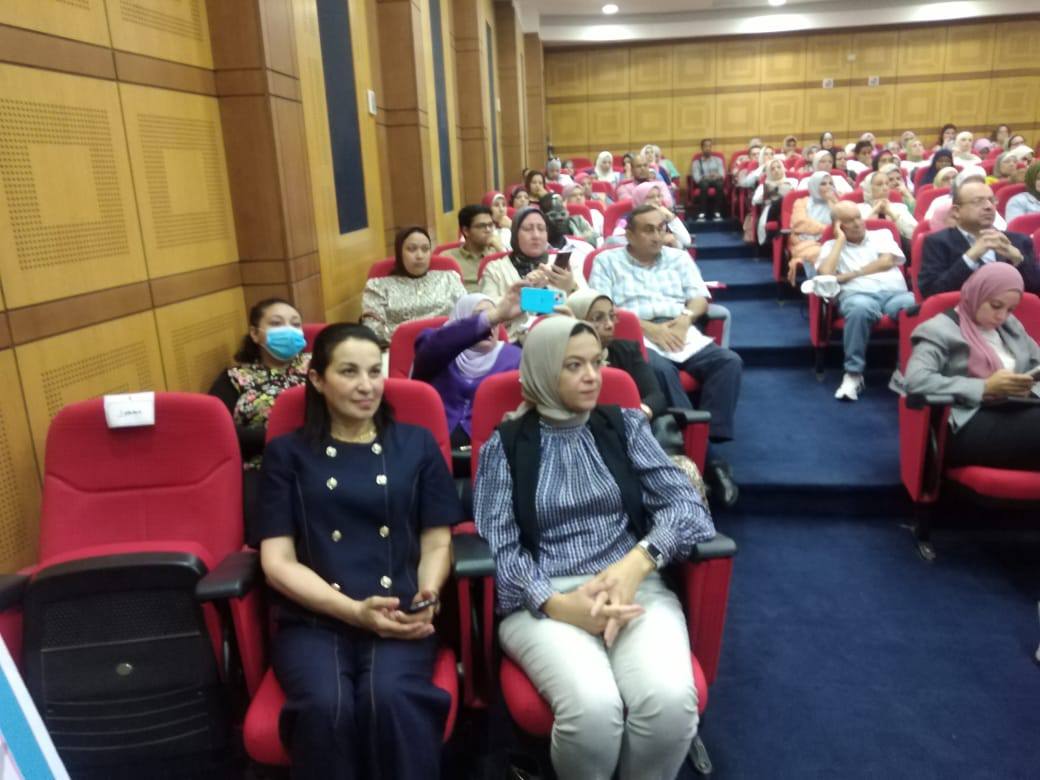
The Higher Institute of Public Health organizes a symposium entitled "Governance of Clinical and Field Research Ethics"
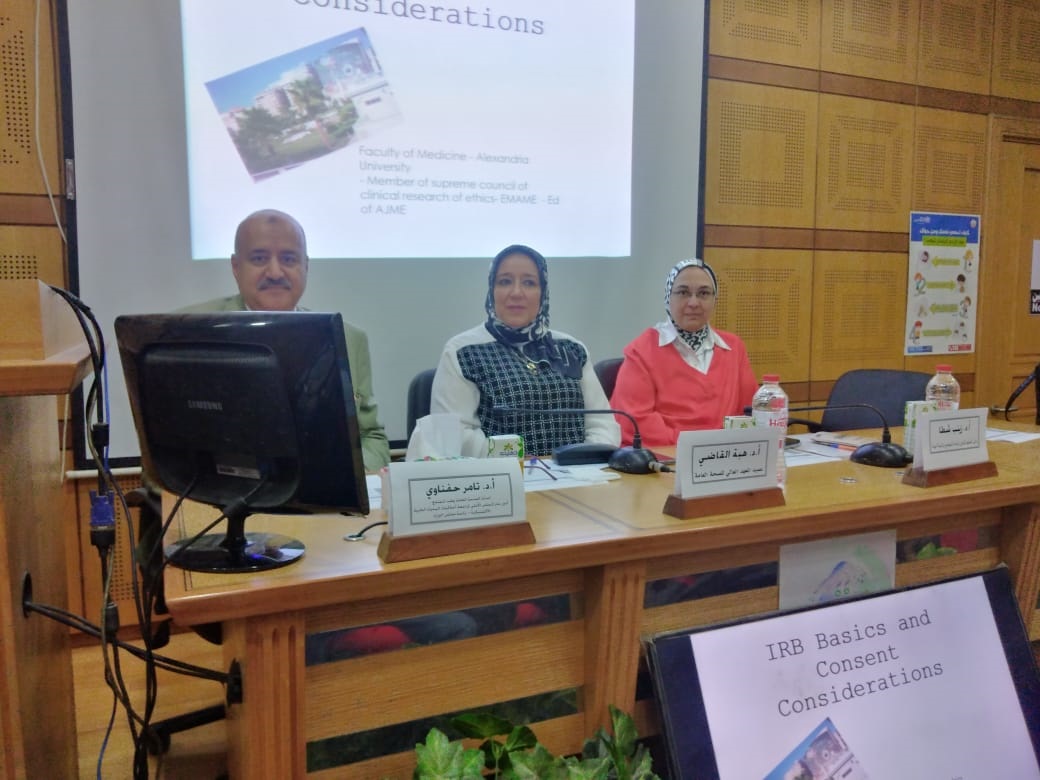
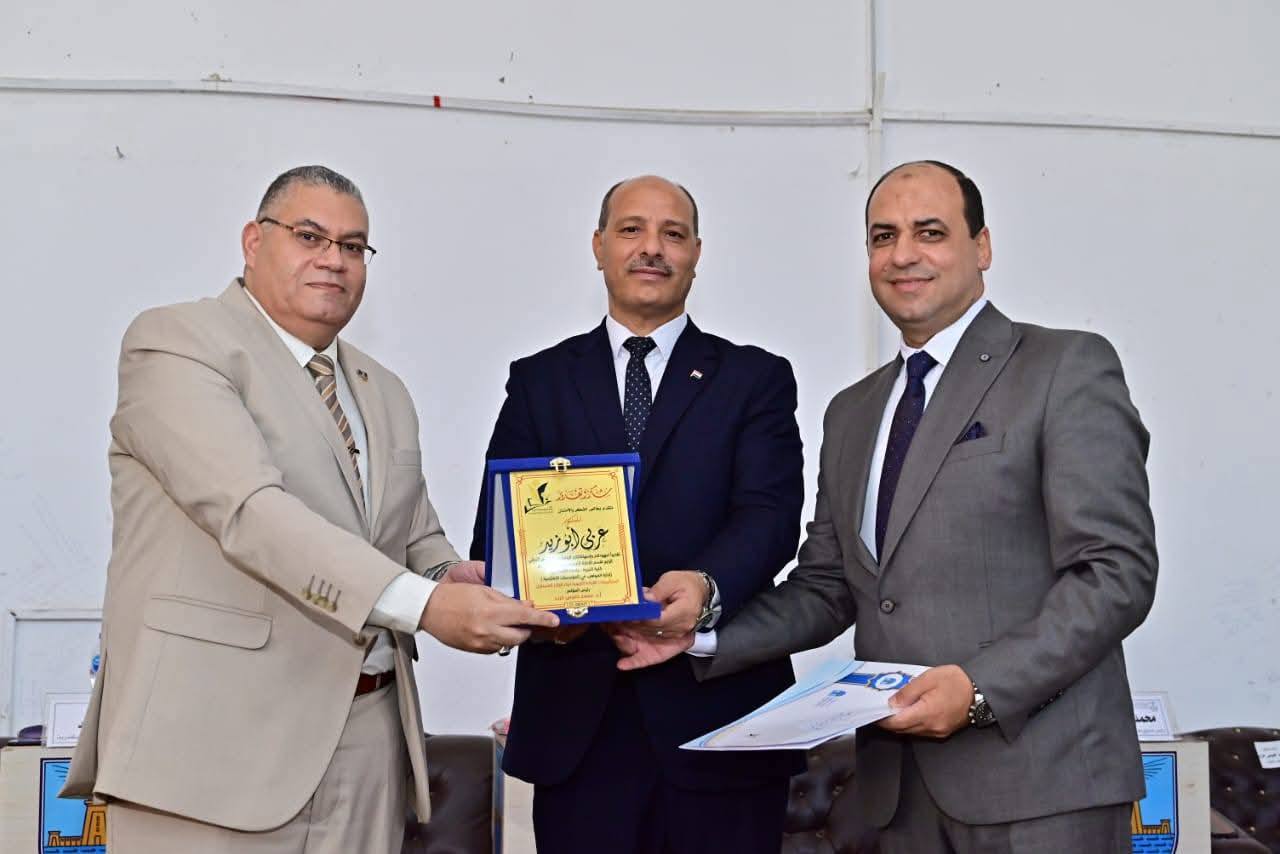
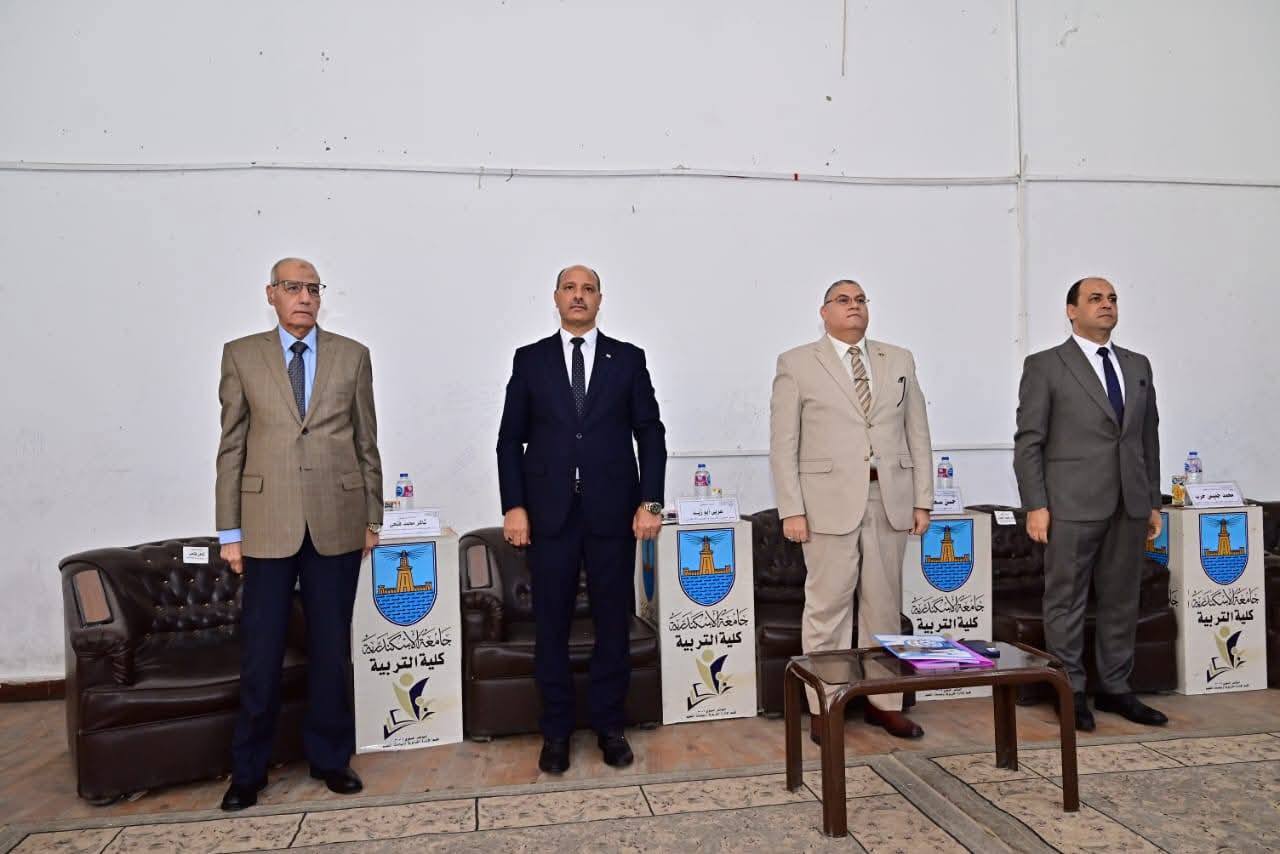
Under the auspices of Dr. Abdelaziz Konsowa, President of Alexandria University, the Higher Institute of Public Health organized a symposium yesterday entitled "Governance of Clinical and Field Research Ethics." The symposium was attended by Dr. Heba El-Qadi, Dean of the Higher Institute of Public Health; Dr. Zeinab Shata, Vice Dean of the Institute for Community Service and Environmental Development; Dr. Tamer Hafnawy, Professor of Public Health and Community Medicine and Secretary of the Supreme Council for Clinical Medical Research Ethics; Dr. Maha Ghanem, Professor of Forensic Medicine and Member of the Supreme Council for Clinical Medical Research Ethics; Dr. Jihan Goifel, Assistant President of the University for International Branches Affairs; Dr. Dina El-Gayar, Director of the Project Management Unit at the University; Dr. Abdel Moneim Fawzy, President of the Alexandria Doctors Syndicate; Dr. Mohamed Ansi El-Shafei, President of the Alexandria Pharmacists Syndicate; and a group of faculty members, specialists, and researchers from the Institute.
In her speech, Dr. Heba El-Qadi emphasized the importance of the symposium's topic in discussing the ethics of scientific research, especially in this era of accelerating discoveries and competing institutions for leadership. She emphasized that ethical conscience remains the true compass for researchers. She emphasized the importance of obtaining patient consent before conducting research, the confidentiality of patient data, and the right to withdraw without harm, noting that the researcher becomes responsible for protecting this privacy. She added that this symposium represents a good opportunity to exchange experiences and raise awareness of the importance of adhering to ethical standards, emphasizing that scientific progress is not measured solely by the results we achieve, but also by the method by which we arrive at those results.
In his speech, Dr. Tamer Hafnawy discussed the duties of the Supreme Council for Clinical Research Ethics, Law No. 214 of 2020 regulating clinical research and its executive regulations No. 927 of 2022. He also discussed the council's formation and organizational structure, its mission, which is to promote ethical standards in clinical research in Egypt, protect the rights and dignity of research participants, and promote a culture of integrity, transparency, and accountability through oversight. He also addressed the council's values of confidentiality, privacy, professionalism, governance, protection, security, and non-exploitation. He also addressed the council's duties, which include establishing a research database, surveying stakeholders, periodic review, inspection, complaints, and final review of research plans. He also addressed pre-clinical research related to humans and laboratory animals, and the Ethics Committee for the Use of Laboratory Animals in Research.
Dr. Maha Ghanem spoke about the Ethics Guide for the Care and Use of Experimental Animals in Education and Scientific Research, the importance of institutional committees, the importance of respecting human participants in research, the importance of following up on research implementation after ethical review, and the importance of Clinical Regulation No. 214 of 2020 and its Executive Regulations No. 927 of 2022.
Alexandria University Launches the EU-Funded AGROW-HUB Project to Promote Sustainable Solutions for Agricultural Waste Management
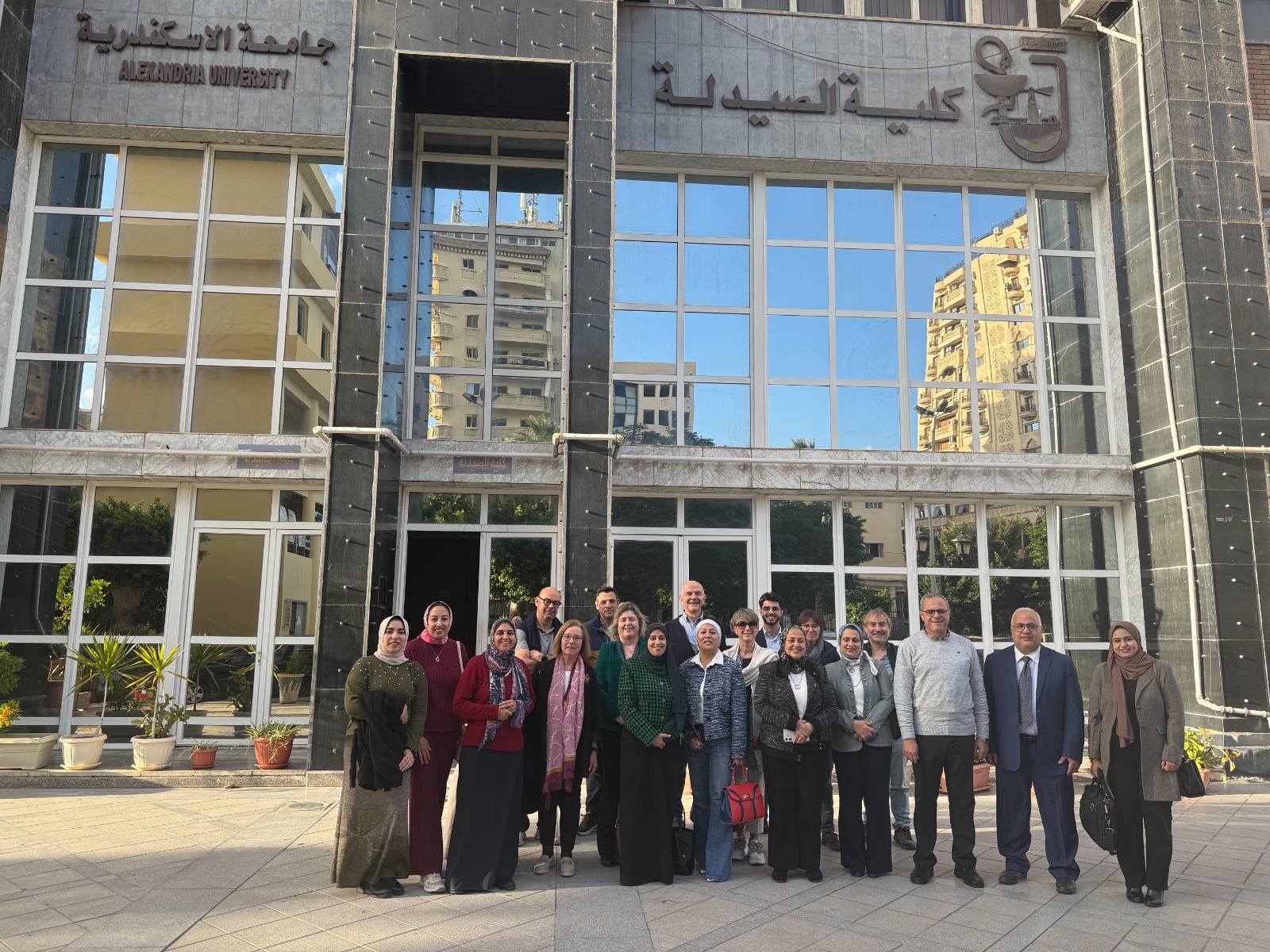
Within the framework of Alexandria University’s commitment to supporting sustainability, innovation, and linking scientific research to development priorities, the University has launched the AGROW-HUB project, funded by the European Union. The project aims to promote sustainable solutions for agricultural waste management and transform it into value-added products, thereby supporting the circular bio-economy and strengthening academic and industrial partnerships at both the regional and international levels.
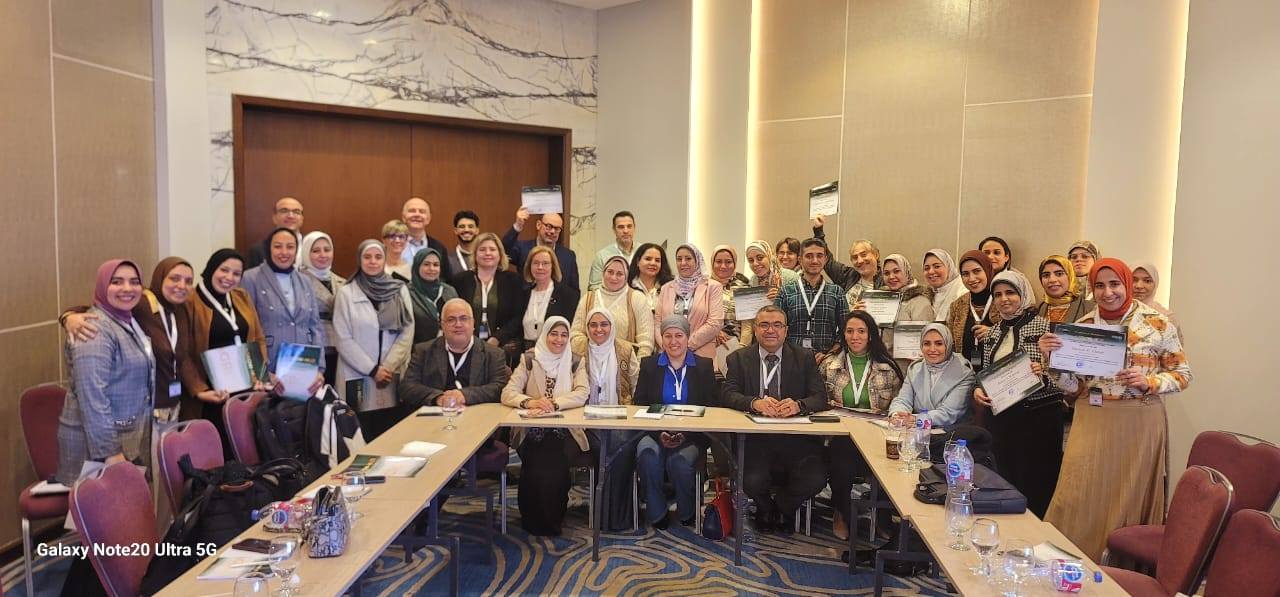
Alexandria University – as the coordinating institution of the AGROW-HUB project – held the official kick-off meeting for the project entitled “Enhancing Education, Innovation, and Entrepreneurship Capacities for Sustainable Green Agricultural Waste Solutions in the South Mediterranean”, funded by the European Union, during the period from 17 to 20 December, marking the official start of the approved project activities.
The project is implemented under the Erasmus+ Programme (Capacity Building in Higher Education – CBHE) and will run for three years, aiming to support the transition toward more sustainable practices in agricultural waste management and to enhance the role of universities in innovation and entrepreneurship.
The Bibliotheca Alexandrina hosted the project’s public launch event as part of the official kick-off activities, with wide participation from local and international partners. The event witnessed extensive collaboration among a distinguished group of Egyptian, European, and Tunisian universities, in addition to representatives of governmental bodies, relevant authorities, and industry partners.
Prof. Hanan El-Gawaily, Dean of the Faculty of Pharmacy at Alexandria University, affirmed that the AGROW-HUB project represents a strategic step toward strengthening the University’s role in supporting the circular economy and sustainability. She added that the project focuses on curriculum modernization, capacity building, and linking education to innovation and labor market needs, achieving tangible academic and societal impact and enhancing Alexandria University’s international partnerships in the South Mediterranean region.
Dr. Iman Shawky, Head of the Pharmacognosy Department at the Faculty of Pharmacy, Alexandria University, and General Coordinator of the AGROW-HUB project, noted that the project’s launch embodies an effective model of cooperation among universities, the industrial sector, policymakers, and society, with the aim of translating knowledge into practical, implementable applications. She explained that the project will focus on developing training programs and modern courses, establishing applied laboratories (Living Labs), supporting entrepreneurship, and incubating start-up ideas, thereby contributing to job creation and the development of sustainable value chains based on green technologies.
The project consortium includes the following universities: Ain Shams University; the Universities of Monastir and Sousse (Tunisia); Aristotle University of Thessaloniki and the University of West Attica (Greece); the German University in Cairo; the University of Turin (Italy) and the University of Turin Business Incubator and Technology Transfer Company; Minia University; and the University of Barcelona (Spain).
The AGROW-HUB project aims to address the environmental and socio-economic challenges resulting from the limited utilization of agricultural and agri-food industrial waste in the South Mediterranean region by strengthening partnerships between universities, governmental bodies, and industrial sectors in Egypt, Tunisia, Greece, Italy, and Spain.
The project also seeks to build an integrated circular bio-economy model based on green technologies through updating and developing academic curricula, establishing Living Labs, and supporting business incubators and start-ups, thereby linking scientific research to real societal and labor market needs.
Furthermore, the project targets the transformation of agricultural waste into high-value products and bioactive compounds used in the food, feed, cosmetics, dietary supplements, and other green industries. This will support skills development, create new job opportunities, enhance sustainable value chains, and contribute to achieving the Sustainable Development Goals in the region.
Engineering Students Conclude International Summer Training Program at the University of Louisville, USA
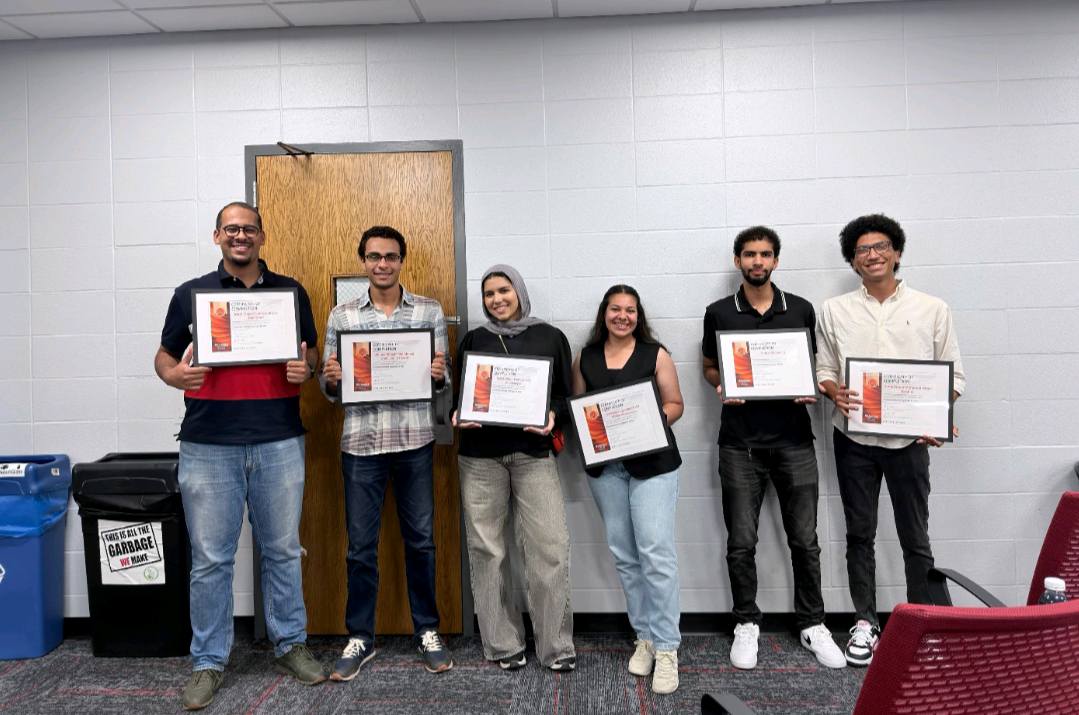
Under the auspices of Prof. Dr. Abdelaziz Konsowa, President of Alexandria University, six students from the Faculty of Engineering successfully concluded their distinguished participation in the International Summer Training Program at the University of Louisville, USA, which has been organized for the fourth consecutive year as part of the academic partnership between the two universities.
The University President emphasized that this international partnership reflects Alexandria University’s commitment to providing its students with global educational and research opportunities, enhancing their academic and professional competitiveness, and preparing them for leadership and excellence in various fields of advanced engineering.
Prof. Walid Abdel Azim, Dean of the Faculty of Engineering, pointed out that the program is considered one of the most prominent research training initiatives for undergraduate students in the Middle East. It provided participants with a unique opportunity to engage in applied research projects within the University of Louisville’s advanced laboratories, under the direct supervision of leading American professors and scientists.
This year’s cohort included students from Chemical Engineering, Computer and Communications Engineering, Mechatronics and Robotics Engineering, Gas and Petrochemicals Engineering, and Electromechanical Engineering. During the closing ceremony, students presented research projects that demonstrated their creativity and ability to engage with international scientific environments—earning praise from University of Louisville leaders, including Prof. Emmanuel Collins, Dean of the Faculty of Engineering; Prof. Ayman El-Baz, Chair of the Department of Bioengineering; and Prof. Thomas Rockaway, Professor of Civil Engineering and Associate Dean for Student Affairs.
This participation comes within the framework of an extended partnership between the two universities, which includes:
Dual Degree Program (2+2): offering Engineering students the opportunity to earn a double bachelor’s degree from both universities in all engineering majors. Last year, the first cohort in Biomedical Engineering graduated after seven students successfully completed their studies at the University of Louisville.
Joint Master’s Program: allowing students to complete 6 credit hours during their undergraduate studies at Alexandria University, then transfer to the University of Louisville to complete 24 credit hours and obtain a Master of Science in Engineering degree.